
Administrators & Church Employees
How We Can Help
Supporting Your Congregation
Church administrators and employees are essential to the life and mission of their congregations—and they deserve the same thoughtful retirement planning as anyone else. At Simplicity Guardian, we understand the unique financial challenges you may face, from modest salaries and limited retirement benefits to navigating Social Security and rising healthcare costs. Our team is here to provide clarity, support, and personalized strategies to help you build a secure and confident financial future. With the right guidance, retirement can be not just possible, but purposeful.
How We Can Help
Customized Retirement Planning – We create tailored strategies designed to align with your income, benefits, and long-term goals—even if your church offers limited retirement options.
Social Security Optimization – We help you understand your eligibility, explore benefit options, and incorporate Social Security into your broader retirement strategy.
Healthcare & Insurance Guidance – From Medicare to long-term care planning, we’ll help you evaluate healthcare costs in retirement and prepare accordingly.
Faith-Aligned Financial Advice – Our guidance respects your values and vocation, helping you plan for the future while continuing to serve your community with purpose.
Ongoing Support & Education – We provide tools, resources, and one-on-one support to help you stay informed and confident throughout your financial journey.
Contact us For more Information
frequently asked questions
Source:
https://www.investopedia.com/terms/1/403bplan.asp
This information is provided as general information and is not intended to be specific financial guidance. Before you make any decisions regarding your personal financial situation, you should consult a financial or tax professional to discuss your individual circumstances and objectives. The source(s) used to prepare this material is/are believed to be true, accurate and reliable, but is/are not guaranteed.
Useful Guides
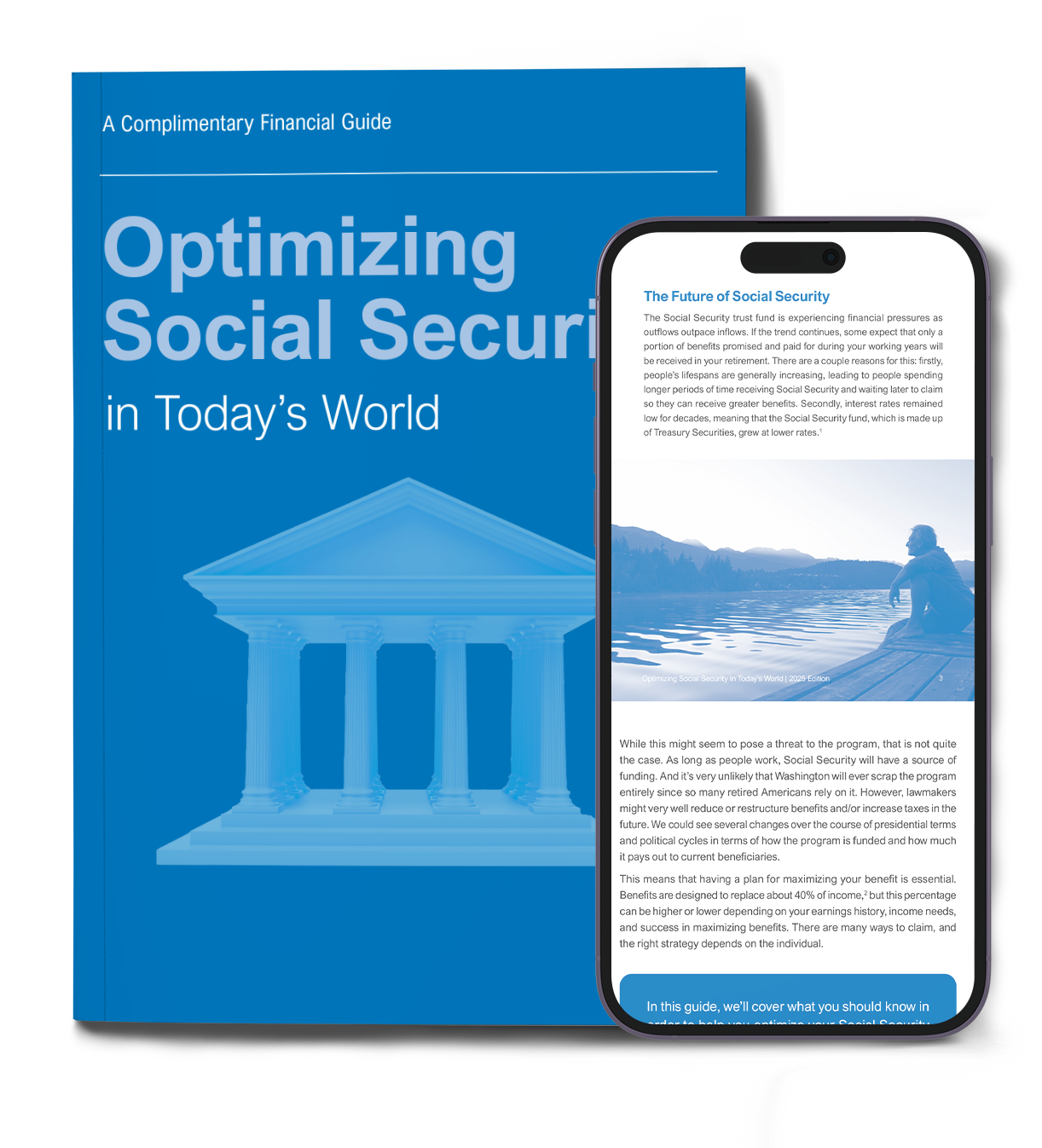
Optimizing Social Security
In Today’s World
Social Security planning is one of the most important elements in any retirement plan, but understanding how to make informed decisions about your Social Security benefits can also feel complex and frustrating. In our guide, “Optimizing Social Security in Today’s World,” you’ll find practical information and easy-to-understand steps to help you evaluate your Social Security options.
A Short Introduction To Long-Term Care
What To Know And How To Prepare
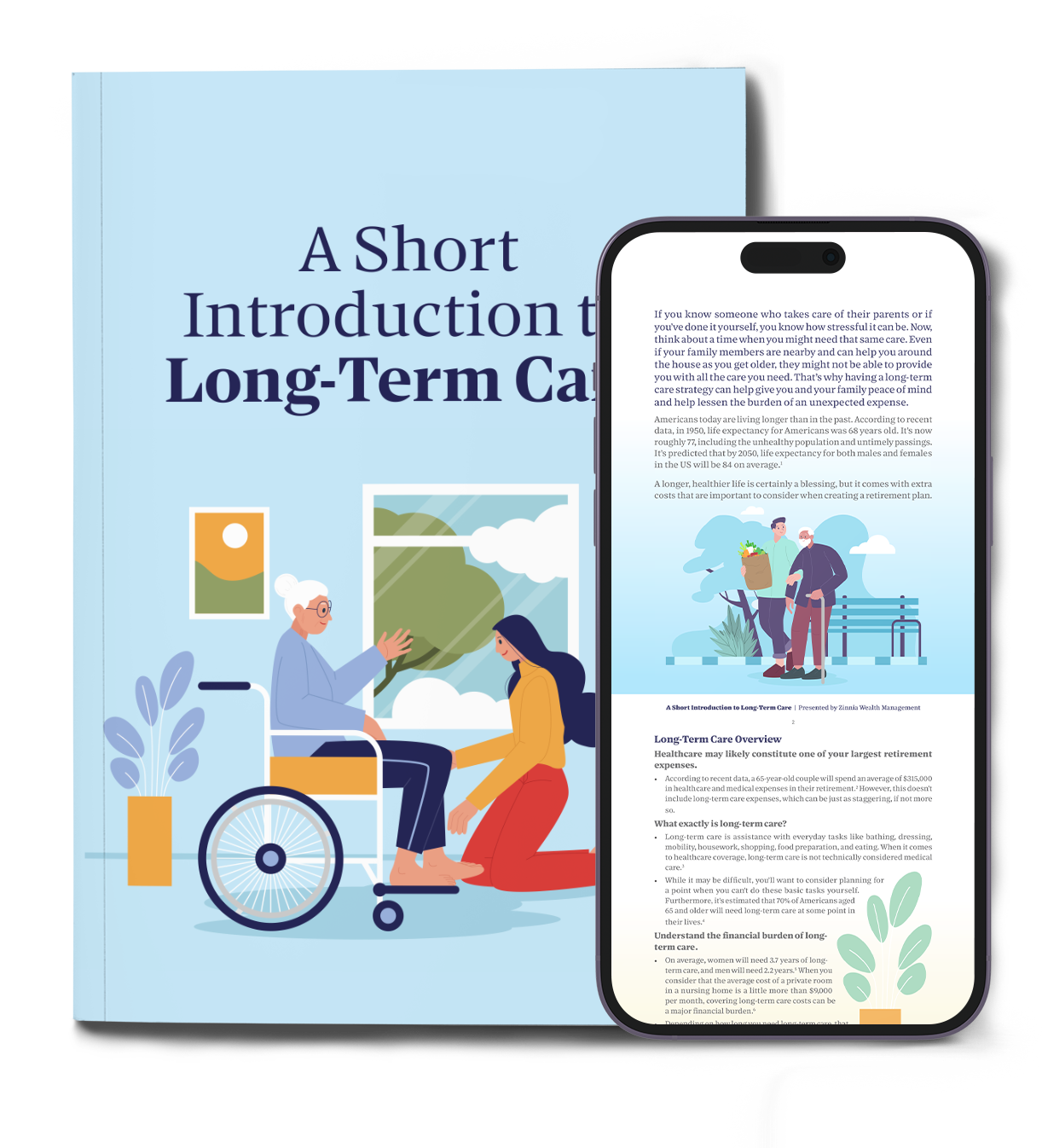
If you know someone who takes care of their parents or if you’ve done it yourself, you know how demanding it can be. Now, think about a time when you might need that same care. Even if your family members are nearby and can help you around the house as you get older, they might not be able to provide you with all the care you need. That’s why having a long-term care strategy can help give you and your family feel more prepared and potentially reduce the financial strain of an unexpected expense.